When people talk about automation for product detail pages (PDPs) in e-commerce, the conversation usually focuses on generating content or SEO tags.
But anyone working in fashion e-commerce knows the real challenge isn’t writing product descriptions. It’s the process behind the product page.
The Hidden Workflow Behind Every Product Page
A fashion product page might look simple to a customer. But internally, it’s the result of a surprisingly complex workflow.
It often starts with product imagery. From there, information flows through multiple teams:
Merchandisers define product attributes
•Copywriters write descriptions
•SEO specialists add tags and metadata
•Product teams manage structured product data
•E-commerce managers prepare products for launch
Each team contributes a piece of information that eventually needs to land in the correct fields inside the store backend. And this is where the problems start.
Product Information Gets Lost
Because product information is created across different teams and tools, everyone from the manufacturer to the marketing team, and everyone in between, the process often becomes fragmented:
•Product attributes are stored in spreadsheets
•Tags are missing and terminology is inconsistent
•Descriptions are written without structured product data and details
•Valuable product knowledge never reaches the product page
The result is slower product launches and PDPs that fail to communicate all of the information customers need to make purchase decisions.
In fashion e-commerce, details matter. Everything from materials, fit, structure, and construction factors into purchase decisions, but also how those products show up in search, whether online or on the store’s filters. In short, missing information directly impacts product discovery and conversion.
Why Traditional Automation Doesn’t Always Work
The product content bottleneck leads many brands to introduce new systems and solutions, designed to manage product data, into their e-commerce stack.
But this often leads to unforeseen challenges for the online store.
The most common among these challenges are complex integrations and new workflows the e-commerce and content teams must learn. Likewise, additional operational overhead may emerge. The combination of these hurdles, means longer durations before their value is actualized.
For many brands, the cost and disruption of these integrations outweigh the potential benefits.
A Different Approach to Automation
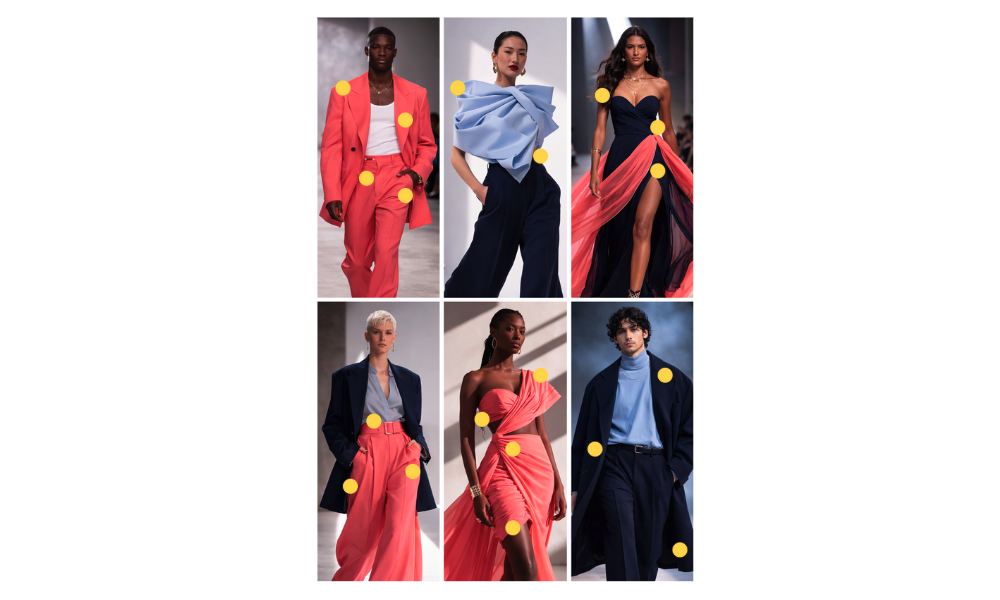
Instead of replacing systems, what if automation could work as a lightweight layer on top of existing workflows? Starts with the product imagery brands already have, the solution layer can automatically:
•Detect product design attributes
•Structure them into product data
•Generate product and attribute tags, and
•Populate store product detail page fields directly on the backend.
The e-commerce and content teams transition into publishing teams.
No heavy implementation. No operational disruption. Just faster, more consistent product data and content.
The Future of Retail Software
Smart automation reflects a broader shift happening in fashion retail digital transformation. Brands can now integrate quickly, and their e-commerce creates value immediately with minimal operational changes and no long-term vendor lock-in.
Automation shouldn’t force companies to rebuild their workflows nor start from scratch when they move between platforms. It should simply make them work better.
That’s the direction we believe fashion e-commerce software is heading. And, it’s the problem Catecut is solving today.