
 eating our own dog food .
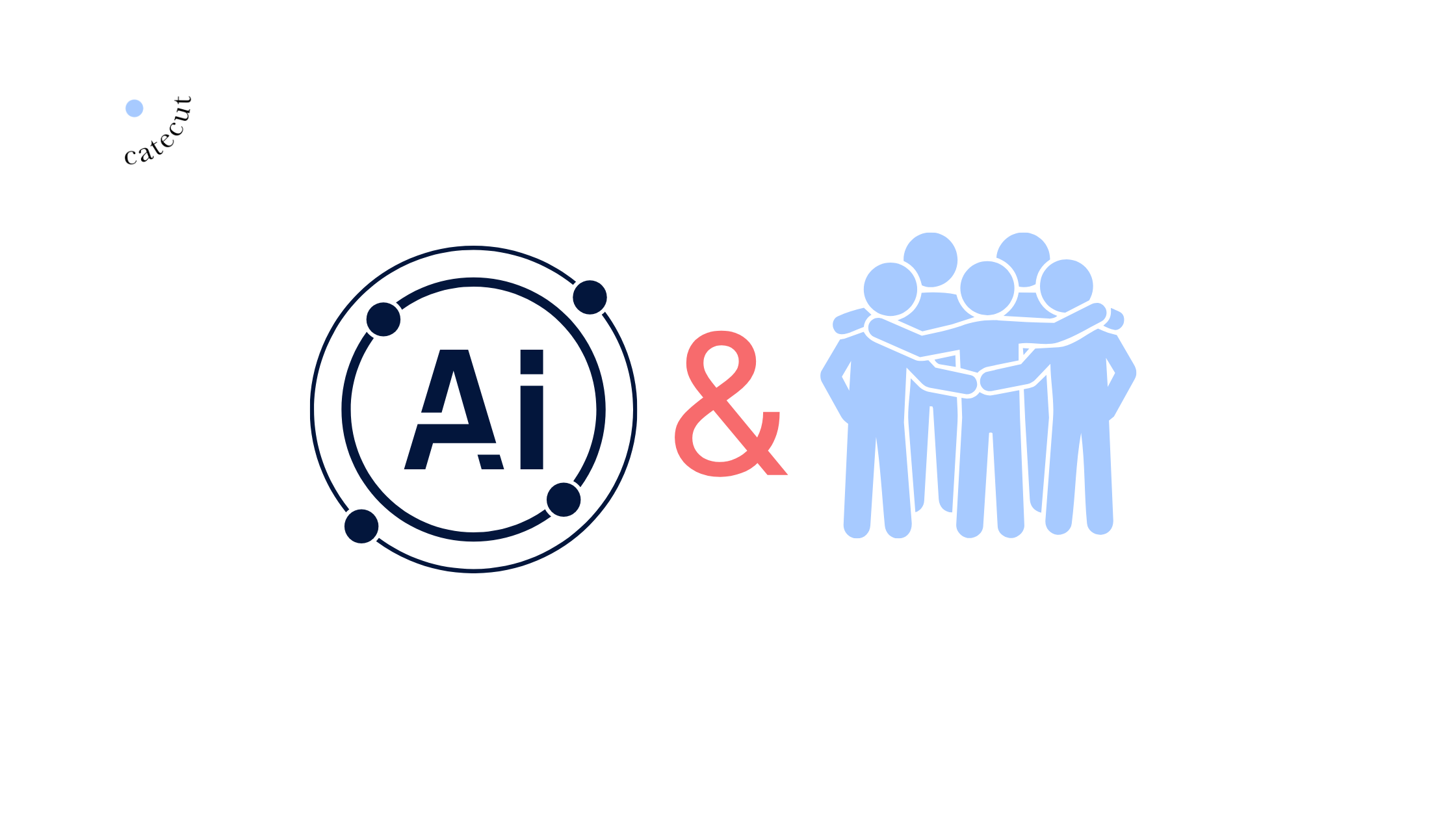
At Catecut, we believe AI should remove repetitive work, not replace meaningful relationships.
We implement the same processes we expect others to implement, while learning what works and what doesn’t. We use AI extensively across our own operations. It helps us analyse customer feedback, prioritise product development, create marketing content, prepare sales enablement, streamline reporting, organise knowledge, and identify patterns across thousands of product images and ecommerce data points.
It's the same philosophy behind our platform. We automate the work that slows fashion teams down— creating product descriptions, generating SEO metadata, extracting garment attributes, writing image alt text and preparing multilingual product content— so merchandising teams can focus on the decisions that require creativity, judgement and brand expertise.
When should AI automation not take the lead?
When we're speaking with a fashion retailer about their growth strategy, designing a new feature alongside a customer, meeting a potential partner, or discussing our vision with investors, those conversations are always human.
Because trust isn't automated.
If you build AI for fashion retailers, your own business should reflect the balance you're asking your customers to achieve.
We've found the real advantage isn't using AI everywhere. It's understanding where AI creates leverage, and where people create value.
For fashion retailers, that means using AI to accelerate product content and operational workflows, while keeping buyers, merchandisers, marketers and customer teams focused on what they do best: building brands that customers connect with.
The future of fashion commerce isn't AI versus people.
It's AI enabling people to do more meaningful work.
Related Posts
1.png?width=400&upsize=true&name=Shopify%20Catecut%20Page%20banner%20(1600%20x%20900)1.png)